
On a Friday afternoon in early February 1919, the members of Narrabri Red Cross Society called for a town hall meeting of the utmost urgency ‘for the purpose of coping with the influenza epidemic should it make its appearance in the town or district.’ The invitation was extended to all who wished to volunteer their […]
Read More…
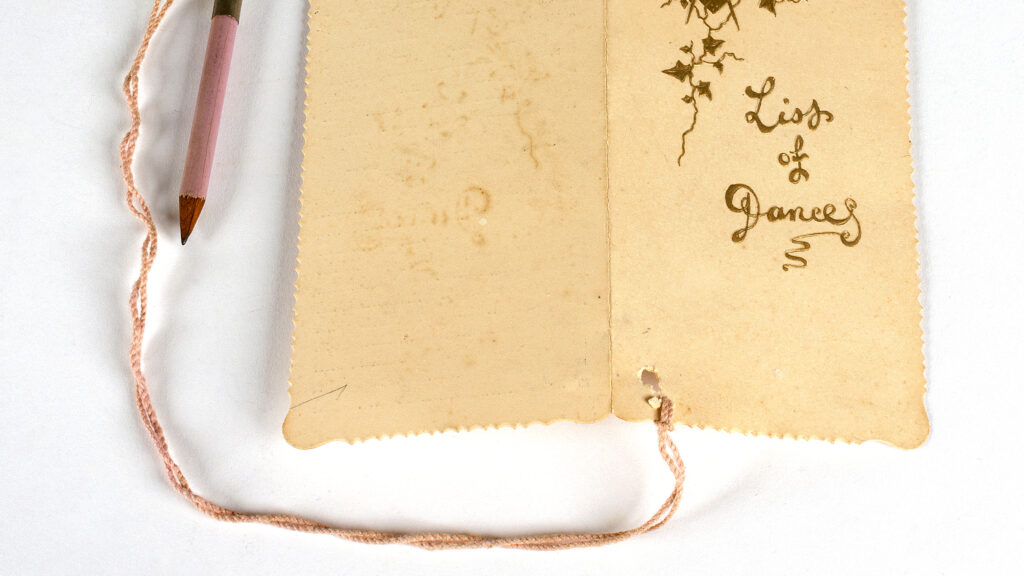
In regional towns in the early twentieth century, balls and dances were opportunities for the community to gather, be festive, and spark new friendships or romances. Days afterwards, an article in the newspaper would usually appear which detailed the night, including the decorations, the catering, and the attendees – whose names and attire were carefully […]
Read More…
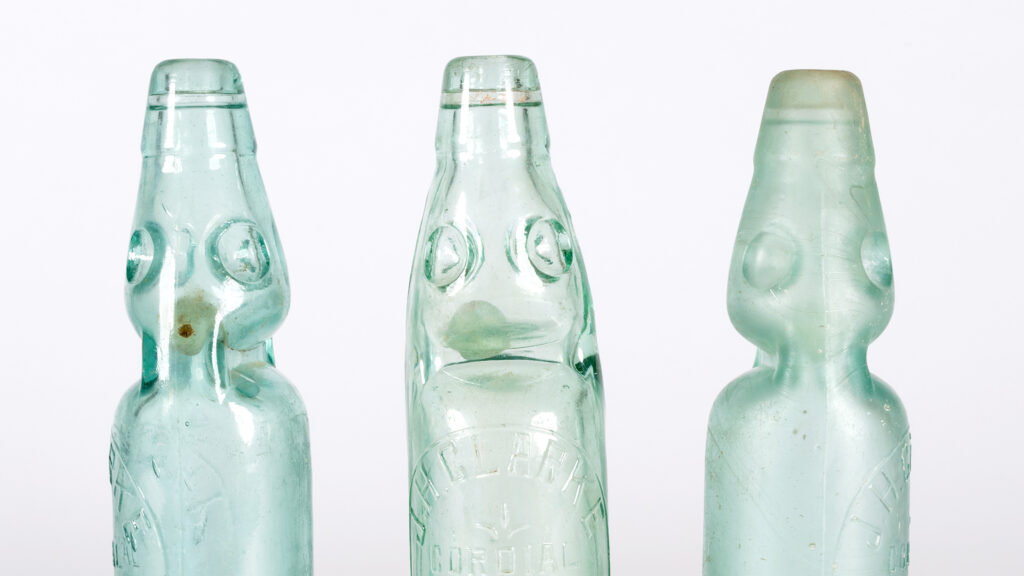
In 1924, there were at least two hundred and thirty cordial manufacturers in NSW alone. James Herbert Clarke (1873-1954) in Narrabri, northern NSW, was one of them. Bert found his passion for cordial making while working for Edmund Fuss, a chemist turned cordial maker. At the time, cordial factories produced an enormous range of drinks […]
Read More…

‘When completed, the building will be a handsome ornament to the town as well as a secure asylum for those who are unfortunate enough to deserve its doors being closed upon them.’ (Reporter from The Maitland Mercury and Hunter River General Advertiser, 1881.) Built between 1880 and 1881, Narrabri Gaol was constructed by a local […]
Read More…
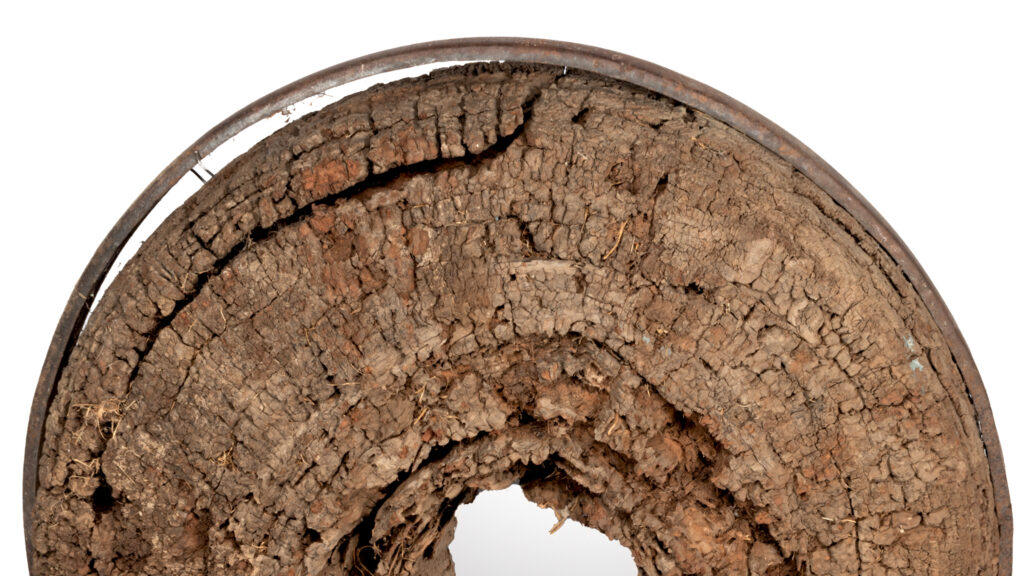
Established by one of Wee Waa’s earliest settler families in 1881, Schwager’s Sawmill grew to become one of the biggest businesses in town. Before the proliferation of the automobile, horse-drawn wagons with wheels cut from Ironbark trees wound their way through the lands of the Kamillaroi peoples, hauling logs from Pilliga Forest to Schwager’s Sawmill. […]
Read More…

World War I (1914–1918) stands as Australia’s most devastating conflict when it comes to loss of life and injuries. With a population of less than five million, a staggering 416,809 men signed up to fight. Sadly, over 60,000 of them never made it home, and another 156,000 were wounded, gassed, or captured. Volunteering for someone […]
Read More…
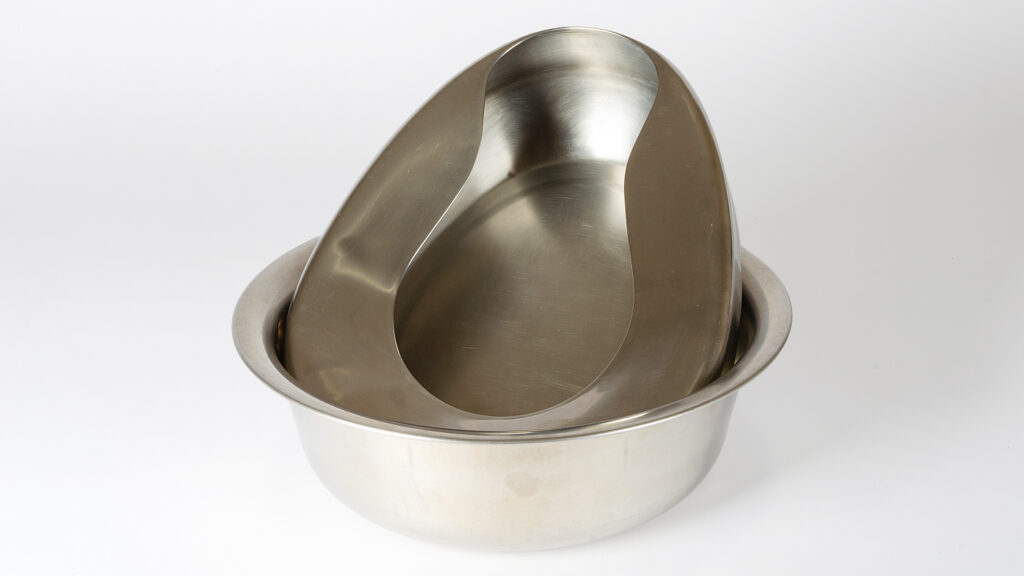
Don’t be deceived – these sparkling clean stainless steel vessels have a far from pristine history. Originally from Narrabri District Hospital, this bedpan was used by patients to urinate and defecate, while the basin could assist with any necessary washing. Made from Paramount stainless steel, they would have been used, cleaned, and then used again. […]
Read More…
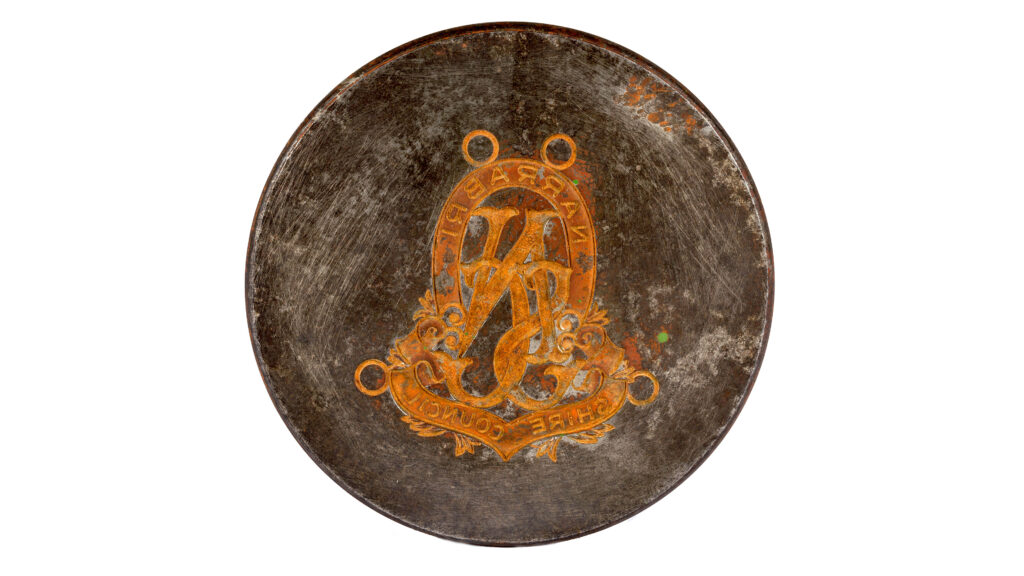
Weighing in at a hefty 15 kilograms, the seal of the Narrabri Shire Council is more than capable of impressing its mark on paper or wax. Seals have a rich history dating back to the Middle Ages, serving as to authenticate legal documents, records, and personal letters. This seal bears engravings of a cow, sheep, […]
Read More…
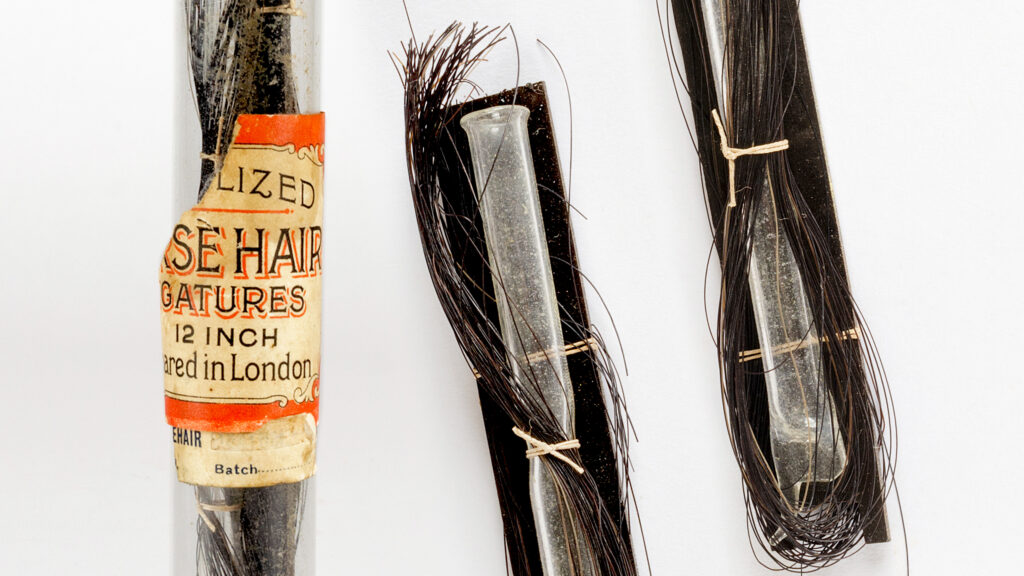
Don’t worry, they’ve been sterilised! Far from the synthetic stitch we know and love today, horsehair was once the star of modern surgeries. To reach the operating table, where they were used as sutures, this horsehair underwent a rigorous process to ensure they were suitable for use. After being precisely collected, measured, and cut, it […]
Read More…
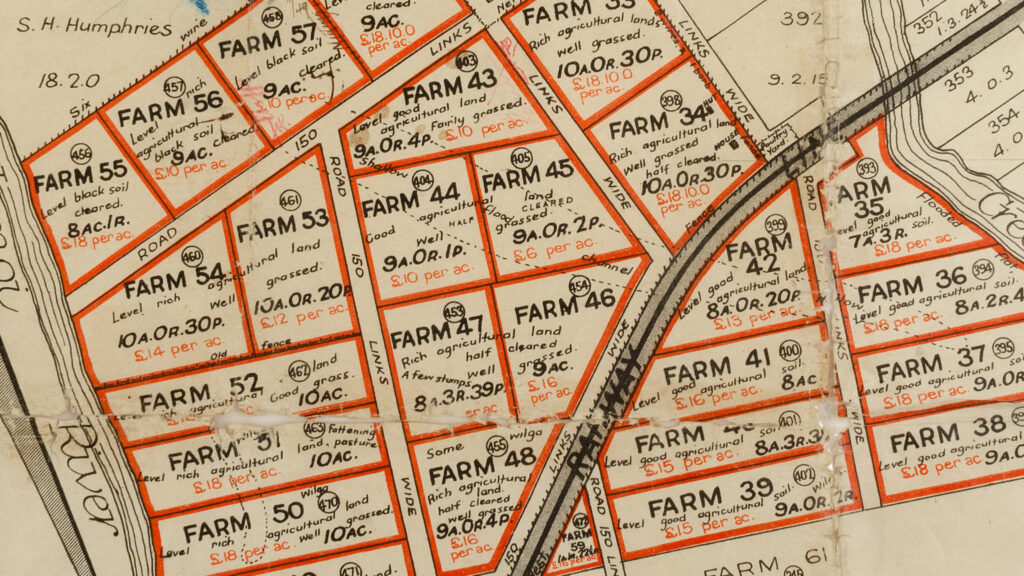
Proposed as affordable estates, Closer Settlement Farms were a way for the government to increase the profitability of the ‘new’ nation by promoting rural settlement and agricultural expansion. Immediately following Federation, the passing of the Closer Settlement Act in 1904 set in motion the re-acquisition of ‘Crown Land’ for subdivision and sale. This 1911 Tibereenah […]
Read More…

