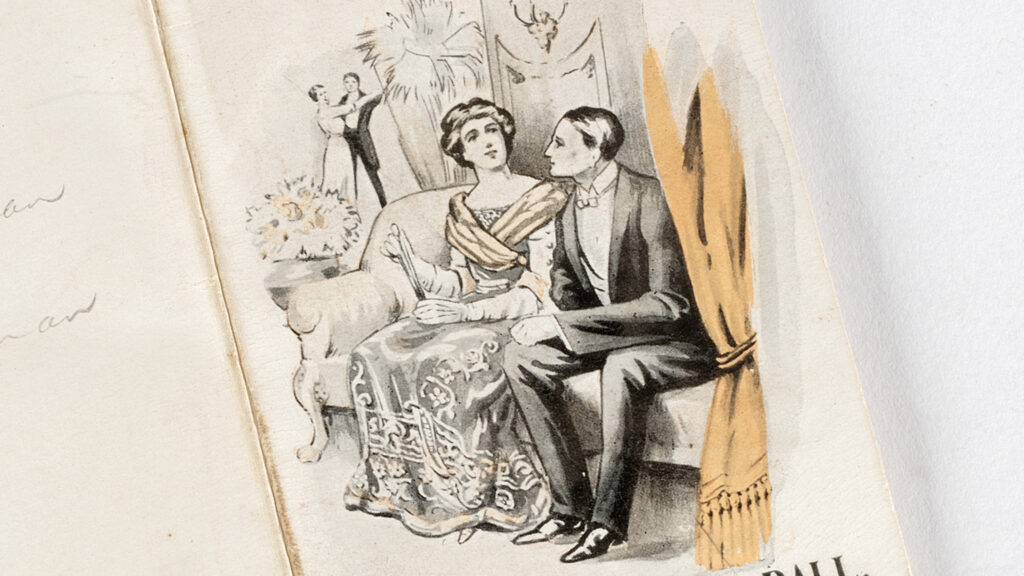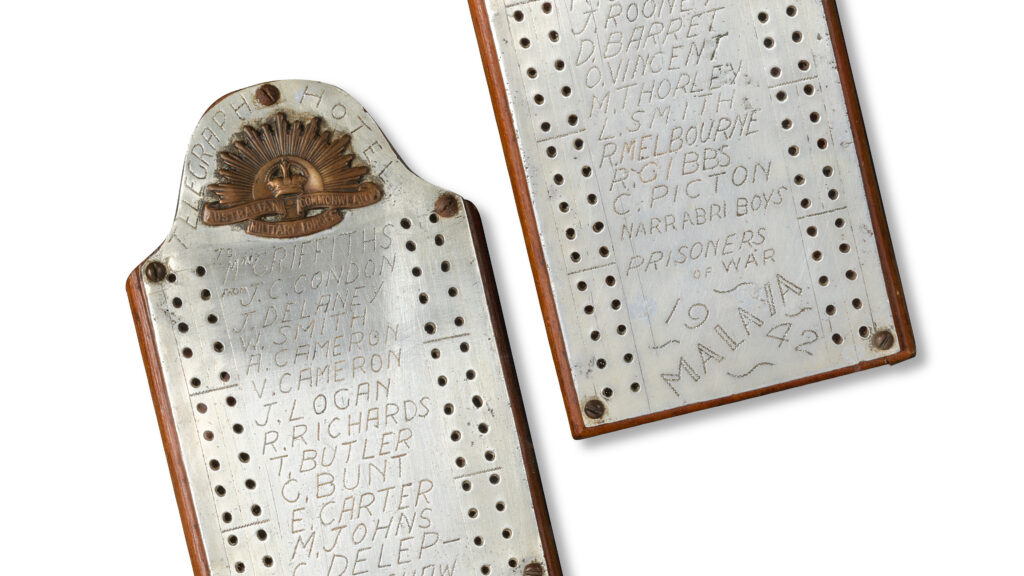
The humidity was dense, and the conditions were harsh. Day after day, Private John Condon endured starvation, forced labour, and tropical diseases while being held captive in Changi’s prisoner-of-war camp. Serving as part of the 10th Medical Corps, John had been captured by the Japanese on 15 February 1942 (known as Black Sunday) among […]
Read More…
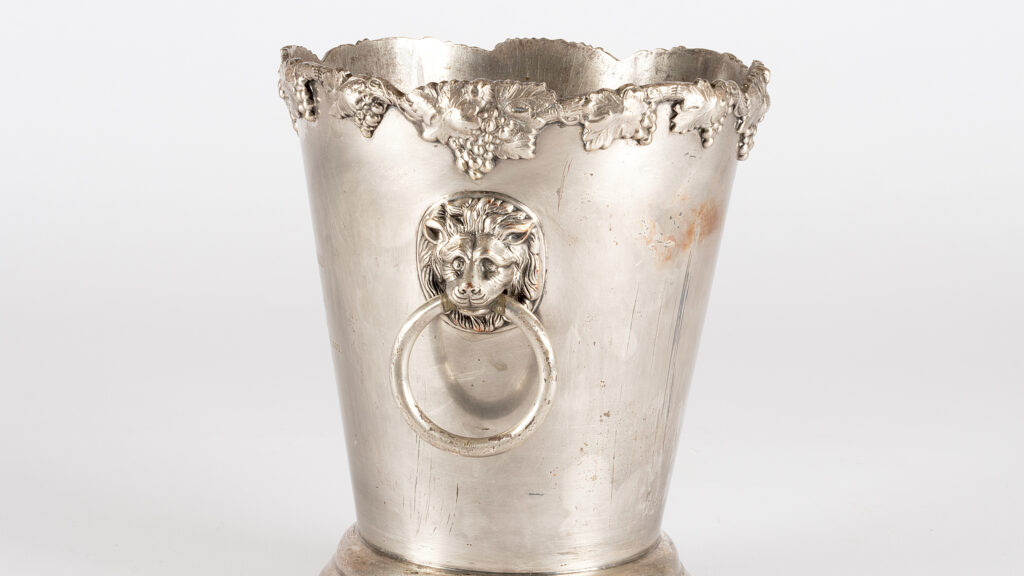
Narrabri is understood to mean ‘forked waters’ in the Kamilaroi language, its location being at the convergence of three waterways – the Namoi River, Narrabri Creek and Three Horses Arms Creek. Unrelenting rain in 1955 saw these waterways swell, causing the agricultural town to flood. With water rising rapidly, many residents took a handful of […]
Read More…
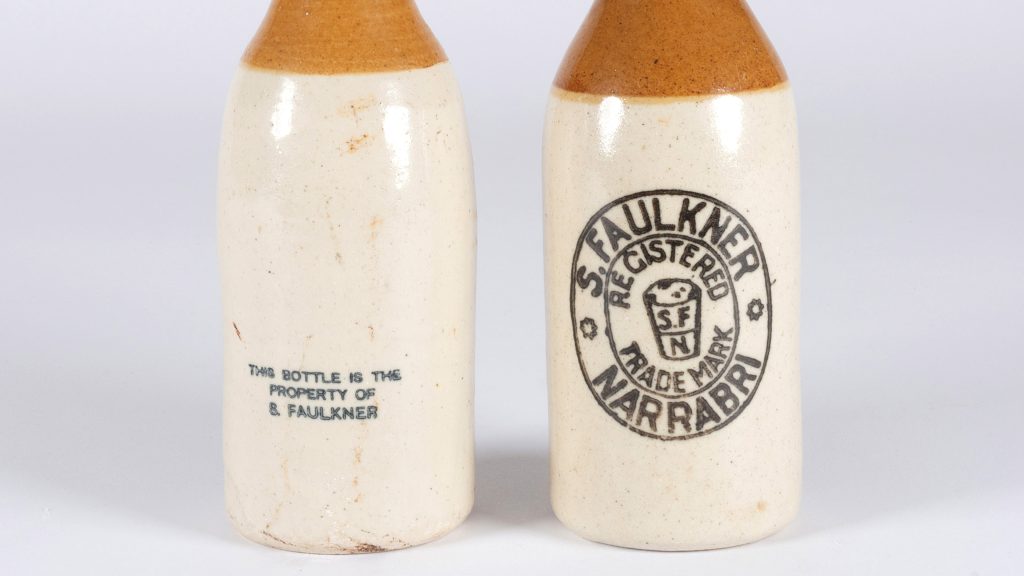
Standing the test of time, these ceramic bottles have remained in a near-pristine condition for over a hundred years. They tell the story of Narrabri’s famous cordial maker, Septimus Faulkner (1859-1936). In the late 1800s, a young Faulkner arrived in Narrabri to work for Edmund Fuss, a chemist who had turned to cordial making. Under […]
Read More…
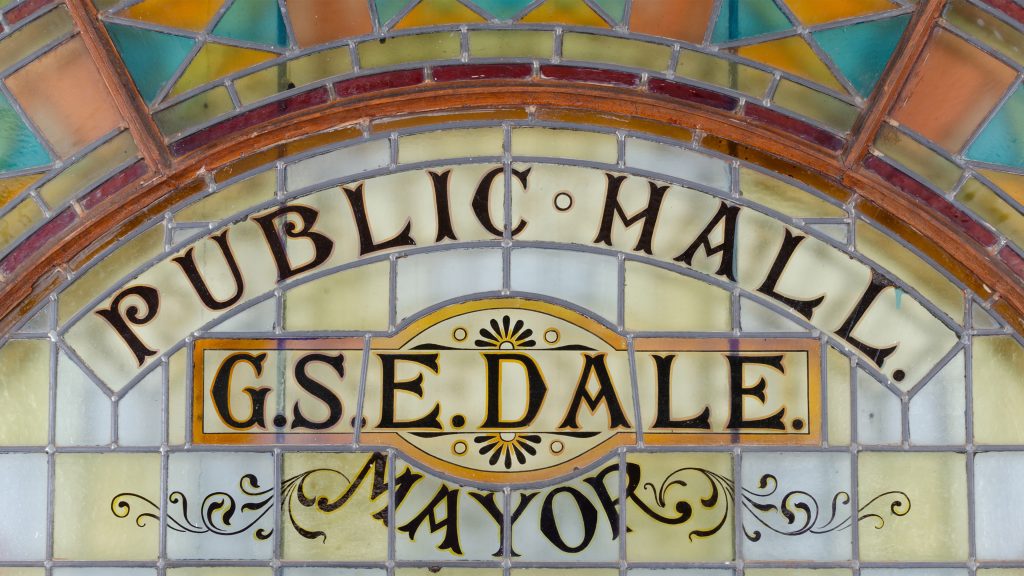
Described as ‘splendid’ and ‘imposing,’ the Narrabri Town Hall was a two-story brick building erected on Doyle Street in 1892. Built at a cost of 3,500 pounds (including furniture), it was officially opened the following year by the Governor, Sir Robert Duff, who used a ceremonial golden key presented to him for the occasion. Stained […]
Read More…
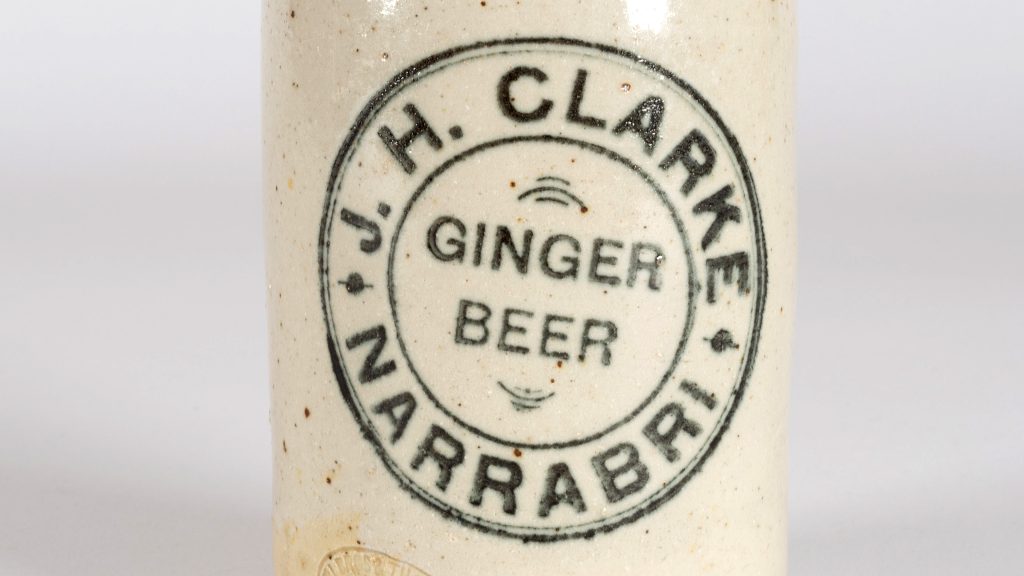
In the late 1800s and early 1900s, cordial making factories sprung up across central-west NSW. With modern single-use plastic bottles yet to be invented, many drinks were sold in glass or ceramic bottles, usually with a cork stopper or stamped metal cap. These particular ceramic bottles contained drinks that were produced by James Herbert Clarke’s […]
Read More…
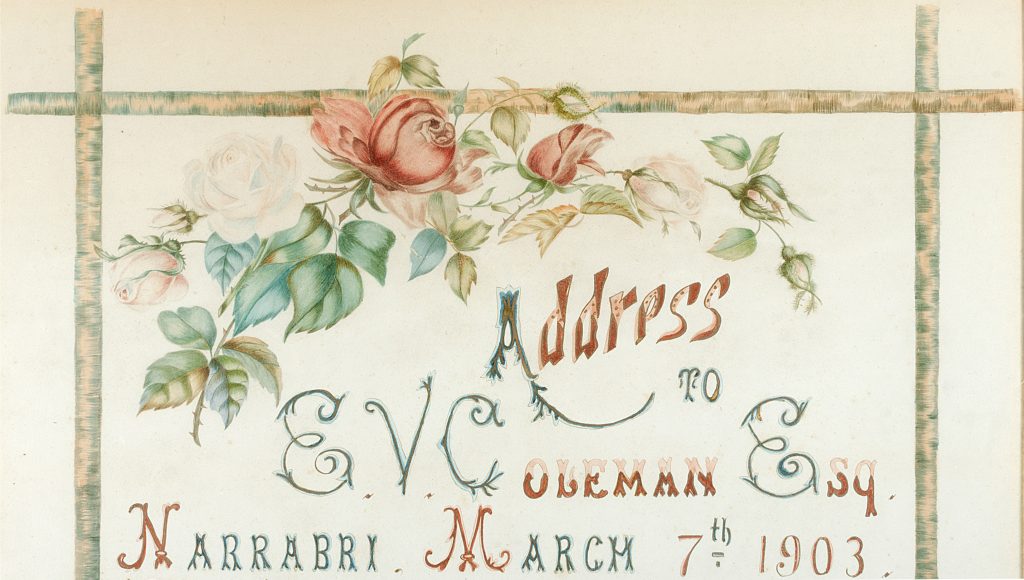
On a Saturday evening on the 7 March 1903, a banquet was held to say thank you to a loved and valued member of Narrabri. During the evening, Narrabri’s Mayor, Mr. H. V Mumford, presented Eugene Vincent Coleman (1863-1922) with this hand-painted address, still contained in its original wooden frame. Coleman was born in Boggabri, […]
Read More…