Canon Gerrard Baker, Vicar at West Tamworth’s Anglican Church from 1930-1966, was a keen amateur film maker. His respectable standing in the community allowed him to document many local events, including visits made by dignitaries such as Indira Gandhi and Prince Charles. He had an arrangement with the local pharmacy – Cohen’s Chemist – to […]
Read More…
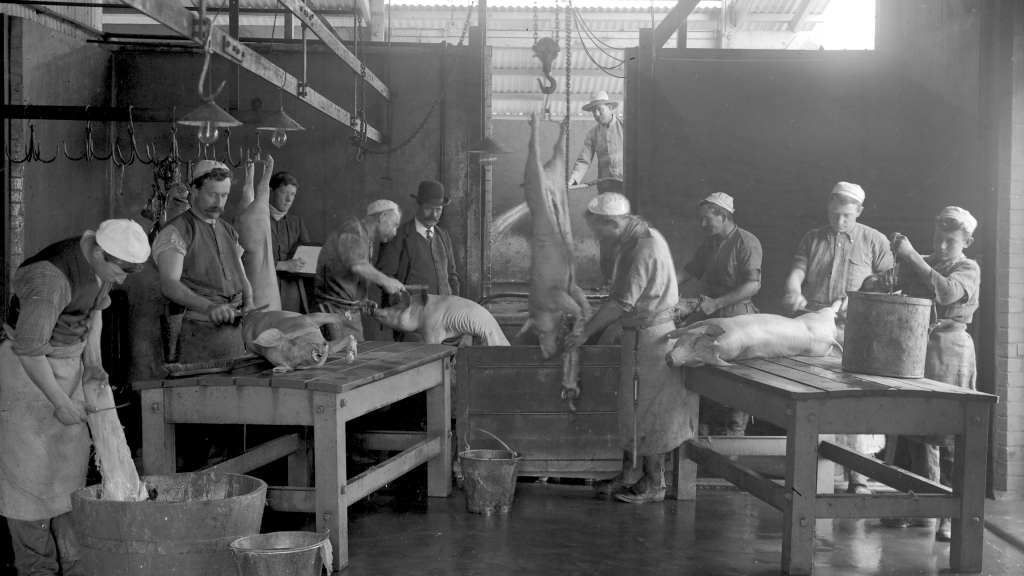
Officially opened on October 6 1908, Broken Hill’s council-owned abattoir was built to provide better sanitation than that provided by existing private or backyard slaughterhouses. In September 1909, keen to show his constituents that the public money was well-spent, Mayor Alderman Long toured the facility with The Barrier Miner’s photographer, James Wooler. Wooler captured the […]
Read More…
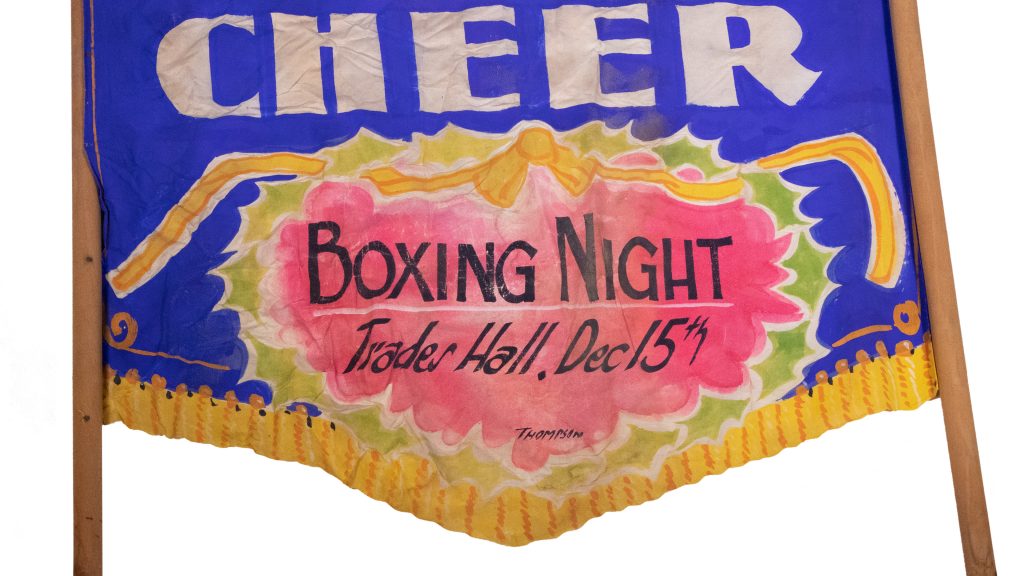
Travelling boxing troupes and tent boxing were popular in Australia’s country towns during the first half of the twentieth century, and Broken Hill was no exception. The Broken Hill Trades Hall’s permanent boxing ring was known as the Stadium and promoters regularly toured out-of-town fighters. Contributing to boxing’s popularity at Broken Hill was its Cornish […]
Read More…
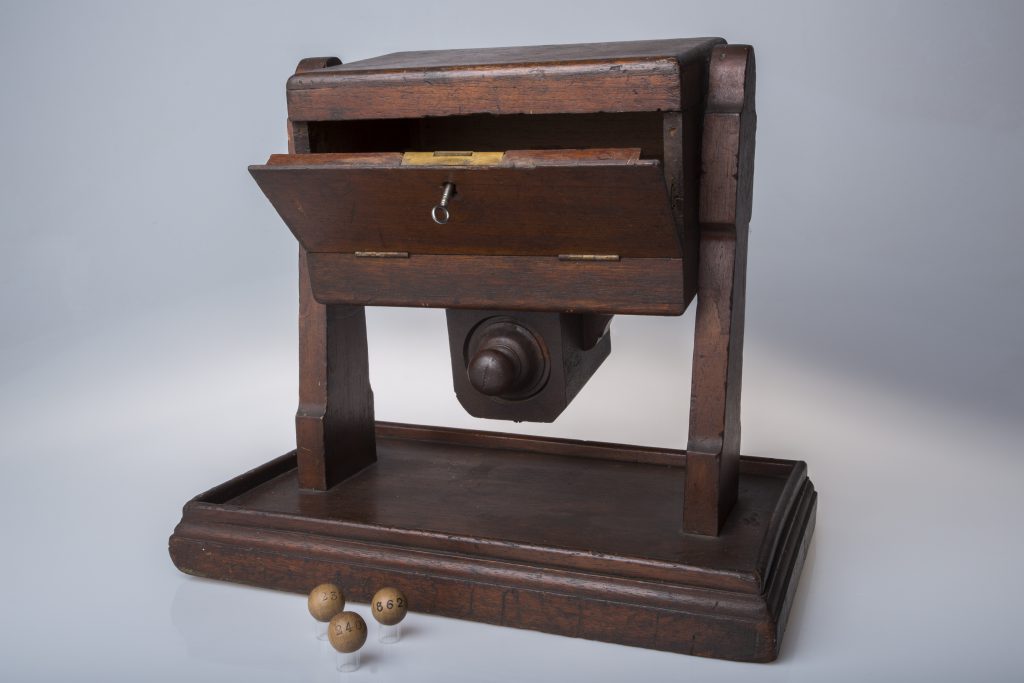
Following WWI and WWII the NSW government allocated land to select returned soldiers, as part of post-war repatriation and reconstruction programs. For those eligible to receive soldier settlement land, and where the number of applications exceeded the number of blocks available, a ballot was conducted. The wooden ballot-box and marbles shown here were used by […]
Read More…
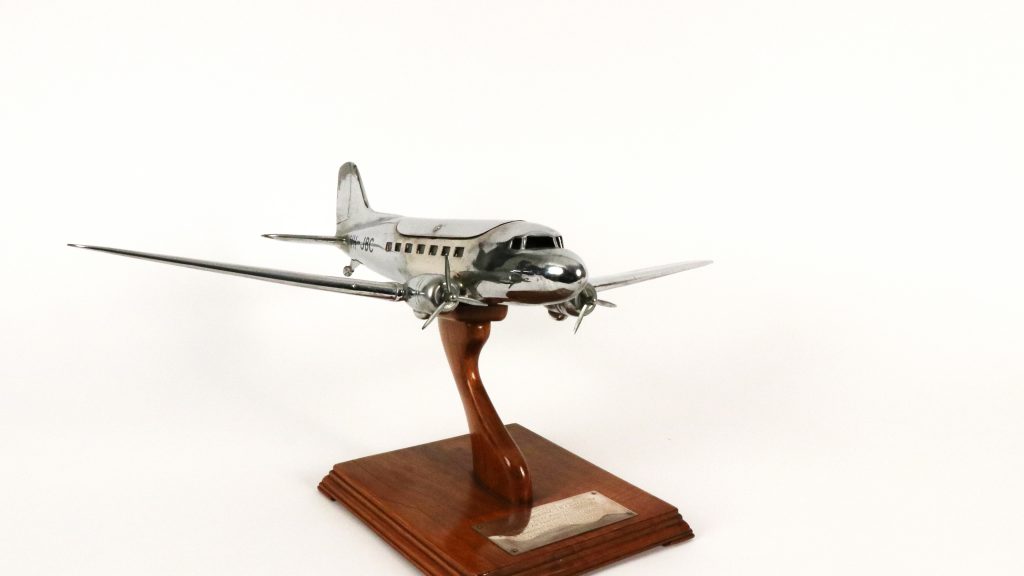
In December 1946 Australia’s Prime Minister (PM) the Honorable Ben Chifley launched Butler Air Transport’s six-day-a-week service from Sydney to Bathurst. It was the first service of its kind to link the NSW capital with the regional city. To thank the PM, Butler Air’s founder, Charles Butler, gifted to Chifley a fitting desk ornament. Chifley’s […]
Read More…
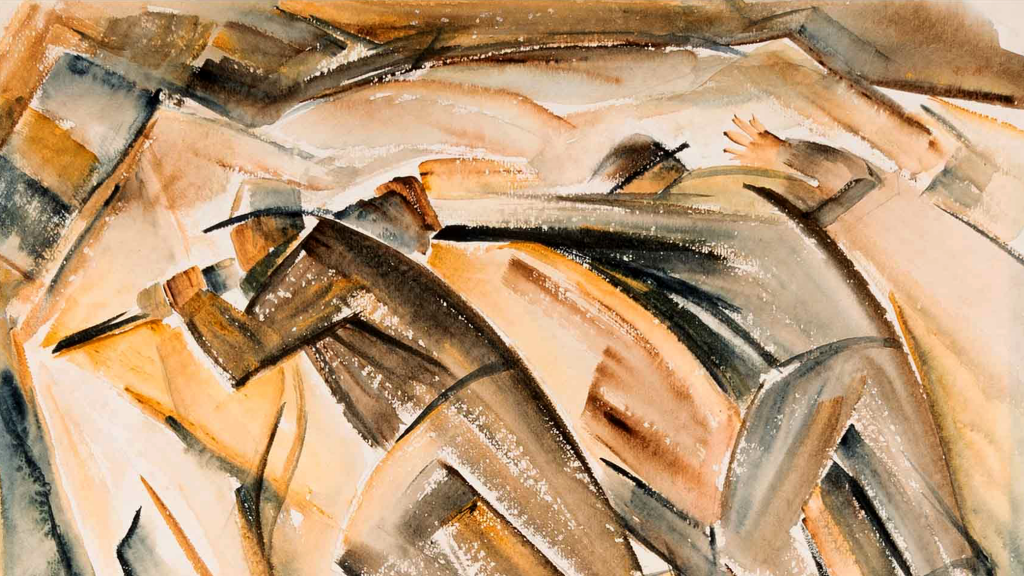
Nephew of the first Prime Minister of the Commonwealth, Edmund Barton, William Sydney Robinson (1876-1963) was an industrialist, journalist and diplomat. Robinson was also a philanthropist at heart and made several donations of art from his personal collection as well as on behalf of the Zinc Corporation to the town’s art gallery. Among them were […]
Read More…
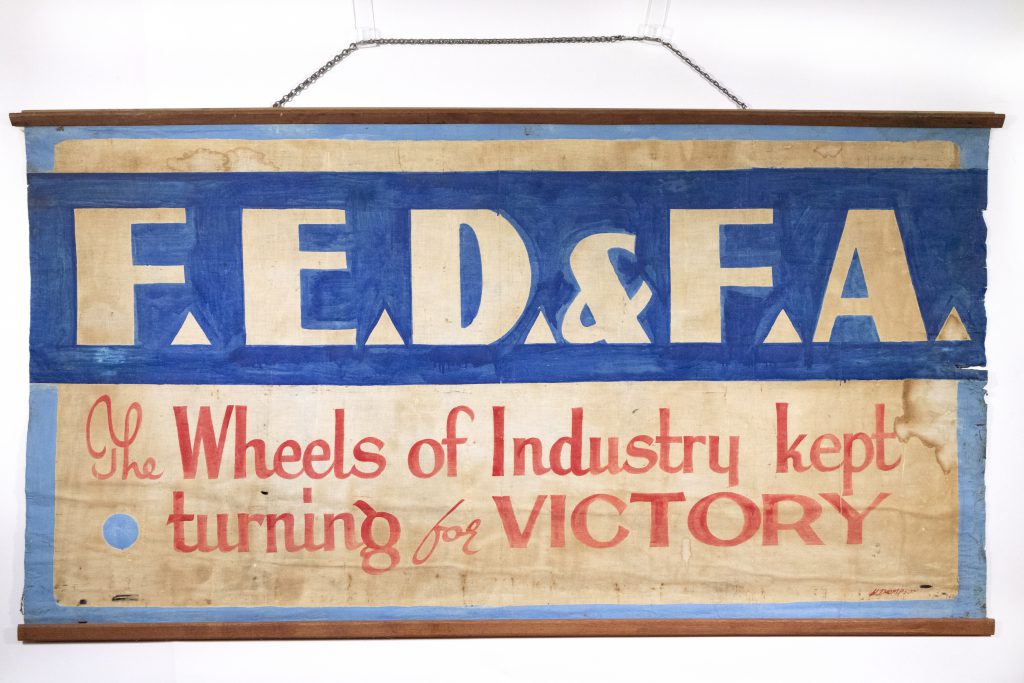
Broken Hill is known to the outside world as a stronghold of trade unionism, in addition to being the place where Australia’s first thirty-five hour week was granted. This reputation and milestone in the history of employment relations in Australia was the result of the historic strike action taken by miners in 1909 and 1919 […]
Read More…
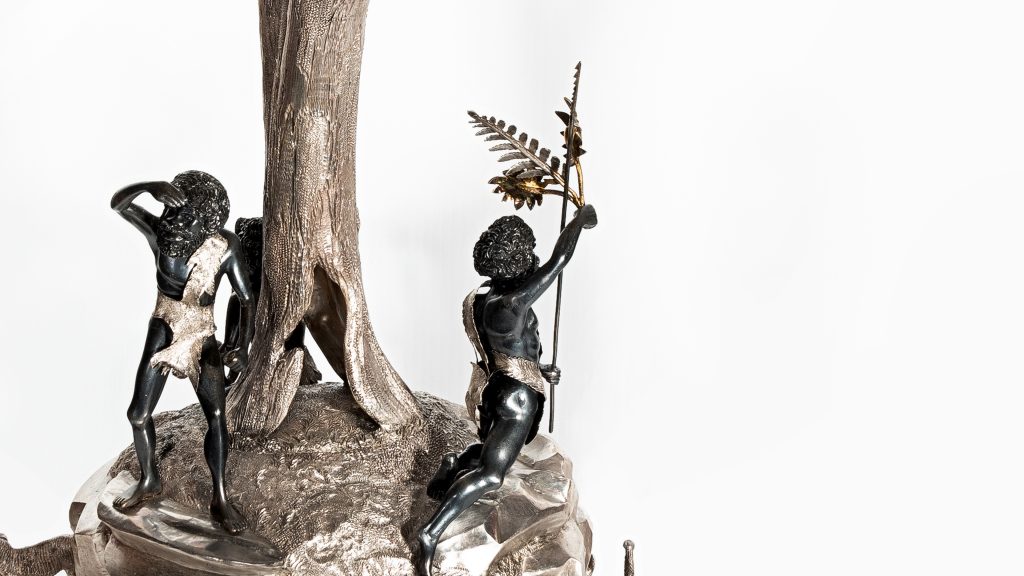
Designed by renowned colonial silversmith Henry Steiner (1835-1914), The Silver Tree epergne stands at more than half a metre high, features twenty figures on its base and has an illustrious history. It got tongues wagging at the Melbourne International Exhibition of 1880–81 and cemented Steiner’s place in Australian design history. Possibly lured by the gold […]
Read More…
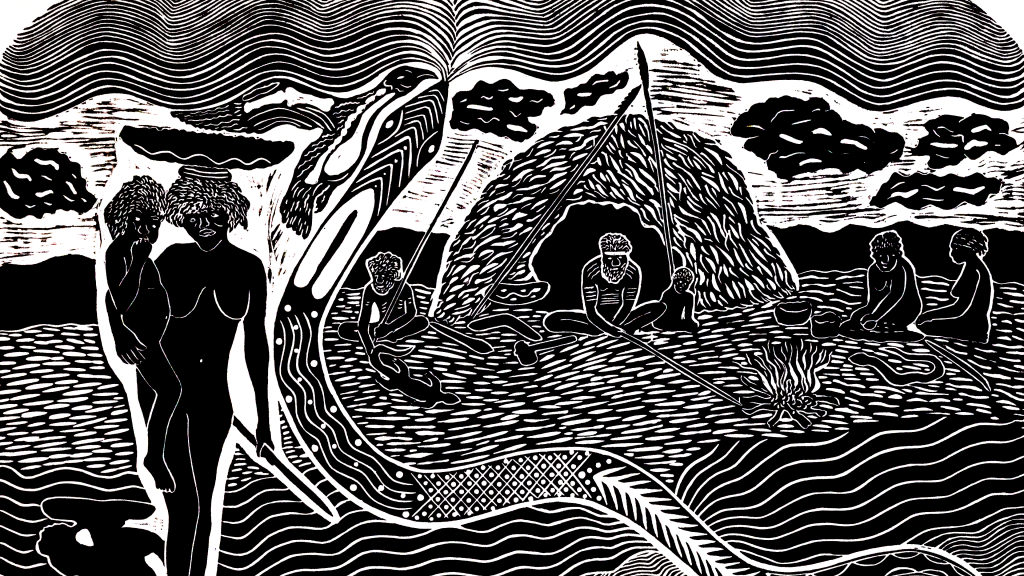
Artist and activist Badger Bates is a Barkandji elder from Wilcannia near the Barka (Darling) River in far western New South Wales. His people are river people and, as a result, much of his art focuses on the Barka and the people and animals that are dependent on its flow. Badger was born in 1947 […]
Read More…